Microsoft Advertising AI Max is now available for Search campaigns, combining broader search-term matching, AI-assisted text customisation and final URL expansion. Microsoft announced the release on 27 August 2026, making it a timely account-review task for advertisers using Bing and Microsoft’s wider search network.
AI Max is optional, but some settings can arrive through campaign creation or Google Import. The sensible response is to audit measurement, brand controls and landing pages before enabling or inheriting the full feature set.
What Microsoft Advertising AI Max includes
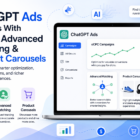
Microsoft describes AI Max as a suite for standard Search campaigns. Its official AI Max announcement groups three capabilities together:
Search term matching can extend reach beyond the existing keyword list by interpreting keywords, ads, landing pages and other context.
Text customisation can create and test additional messaging based on advertiser assets and website content.
Final URL expansion can send a user to a page that the system judges more relevant than the ad’s original destination.
These features affect different parts of campaign delivery. Treat them as separate risks to review even if they are enabled through one AI Max control.
Review the controls before enabling AI Max
Area
What can change
Human check
Search matching
Ads may reach queries beyond current keywords
Intent, exclusions and lead quality
Ad text
New AI-labelled assets may be generated
Accuracy, policy and brand language
Landing pages
Traffic may be routed to a different eligible URL
URL exclusions, conversion path and page quality
Google Import
AI Max settings may carry into Microsoft campaigns
Import schedule and post-import change log
Protect conversion measurement first
Do not test expanded matching against weak conversion signals. Confirm that primary goals represent meaningful enquiries or sales, UET tracking is stable and offline outcomes are imported when relevant. Record baseline spend, conversion volume, cost per qualified lead, revenue and conversion delay.
The same discipline applies across platforms. Kayaar’s Google AI Max experiment guide explains how to separate an automation test from unrelated budget or target changes. Use the principle here without assuming both products behave identically.
Set brand, term and URL guardrails
Microsoft says AI Max respects existing negative keywords, budgets, bidding strategies, conversion goals and targeting. It also provides brand inclusions and exclusions, term exclusions for generated creative and URL exclusions for final URL expansion.
List prohibited claims, regulated wording, unavailable services, brand-conflict terms and pages that should never receive paid traffic. Check that each eligible landing page has an accurate offer, working tracking and a clear next action. Microsoft’s Search campaign setup guidance explains where the AI Max settings appear.
Check Google Import carefully
Microsoft says AI Max settings can be carried over from Google Ads. With scheduled imports, corresponding Microsoft campaigns may inherit future settings when AI Max is enabled in Google. This makes the import log part of campaign governance, not just an administrative record.
Review the source and destination campaign after every significant import. Kayaar’s Google Ads account transition checklist provides a practical framework for ownership, tracking and change control.
Use the reporting views after launch
Microsoft says advertisers can identify expanded matching through an “AI optimised” label, review generated assets in the asset report and inspect final URL routing through a search-term landing-page report. Review all three rather than relying on the campaign total.
Look for irrelevant queries, unsuitable copy, weak destination pages and changes in qualified-conversion rate. Microsoft reports conversion gains in early experiments, but an aggregate platform result is not a forecast for a specific account. Judge the test using your own margin and sales outcomes.
During the first review cycle, keep a simple change log with the activation date, enabled components, excluded terms, blocked URLs and any imported settings. Share unexpected queries or landing pages with the person responsible for sales or customer service. Their feedback can reveal poor intent that a platform conversion total may hide.
Run a controlled rollout
Select one campaign with stable tracking and enough recent conversions.
Save the current settings, exclusions, assets and landing-page destinations.
Define the commercial success metric and review window.
Enable only the features and destinations that have passed review.
Check reports and sales feedback before expanding to more campaigns.
Avoid changing bid targets and budgets at the same time unless that is the test. Kayaar’s target-based bidding review explains why stable commercial targets matter, while the Google Ads expert selection guide outlines the questions a responsible account manager should answer.
Key takeaway
Microsoft Advertising AI Max expands matching, creative and landing-page selection within Search campaigns. Its value depends on accurate measurement and clear controls. Start with one documented test, verify imported settings, review the new reports and scale only when qualified business results support the change. For help reviewing a paid-search account, contact Kayaar.
FAQs
What is Microsoft Advertising AI Max?
It is an optional suite for Search campaigns that combines expanded search-term matching, AI-assisted text customisation and final URL expansion.
Is Microsoft AI Max enabled automatically?
Microsoft says it is enabled by default for newly created Search campaigns, but advertisers can turn it off. Existing campaigns and imported settings should be checked individually.
Can AI Max change the landing page?
Yes. Final URL expansion can route traffic to another relevant page, while URL exclusions let advertisers block unsuitable destinations.
Does Google Import carry AI Max settings?
Microsoft says supported AI Max settings can carry over from Google Ads, including through scheduled imports for corresponding campaigns.
How should advertisers test Microsoft AI Max?
Start with one campaign, stable conversion tracking, documented controls and a defined business metric. Review queries, assets, landing pages and qualified outcomes before scaling.