AI SEO expert in Dubai services should improve how clearly a business can be discovered, understood and trusted across conventional and generative search. That requires more than adding keywords or producing articles at speed. A useful engagement starts with evidence: what users need, which pages already satisfy that need, what search systems can access, and where the website offers genuinely distinctive information.
Google’s 2026 guidance for generative AI features says established SEO foundations still matter. It emphasises valuable, unique, non-commodity content rather than special files, artificial query variations or tactics designed to manipulate AI responses. The audit below turns those principles into a practical brief for Dubai businesses evaluating an AI-focused SEO specialist.
What is a generative search visibility audit?
A generative search visibility audit assesses whether a website can provide useful evidence for people using search experiences that organise, summarise or expand information. It examines technical access, topic coverage, original expertise, entities, media, internal connections and measurement. It should not promise that a page will be quoted or cited. Search presentation is controlled by the platform and can change by query, user and location.
Google’s AI optimisation guide recommends creating content with a unique point of view, supporting it with relevant images or video, and avoiding large numbers of pages made for slight query variations. Its people-first content guidance asks whether the work demonstrates first-hand expertise, provides original value and leaves readers satisfied.
Start with business outcomes and real audiences
An audit should begin with the decisions a prospect needs to make, not a list of fashionable acronyms. A B2B service firm may need qualified consultation enquiries. An ecommerce brand may need product discovery and assisted revenue. A local provider may need accurate service, location and trust information. Define the outcome, then map the questions people ask before taking that action.
This prevents content teams from treating every prompt as a new publishing opportunity. Group related questions by intent, choose one strong destination for each intent and decide whether an existing page should be improved. Kayaar’s AI SEO content quality-control checklist is useful for reviewing individual drafts; this audit focuses on the wider website and search-visibility system.
Seven audit areas to examine
Audit area
Evidence to inspect
Useful output
Access and indexing
Robots rules, canonicals, status codes, rendering
Prioritised technical fixes
Intent coverage
Queries, journeys, existing pages and gaps
Consolidated content map
Original expertise
Examples, methods, data, authors and experience
Evidence improvement plan
Entity clarity
Business, people, services, locations and relationships
Consistent identity brief
Internal discovery
Navigation, contextual links, orphan pages
Topic-cluster link plan
Media and markup
Images, video, ALT text and valid structured data
Enhancement checklist
Measurement
Search Console, analytics, leads and revenue
Baseline and review cadence
Check content for information gain
Generic summaries are easy to reproduce and difficult to distinguish. Review each priority page for evidence only the business can credibly provide: an original process, anonymised result, local constraint, comparison method, expert explanation or decision framework. Claims should be specific and supportable. Authors and reviewers should be identifiable where expertise matters.
Do not create separate pages for every wording of the same question. Consolidate overlapping material and give the strongest page a clear purpose. Kayaar’s Google AI Mode content workflow explains how to turn source research into a useful page, while the third-party SEO tools evaluation checklist helps teams challenge unsupported visibility scores and tool claims.
Review technical and entity foundations
Important pages must return a valid response, render useful main content, use sensible canonicals and remain reachable through crawlable links. Structured data should describe visible content accurately; it cannot compensate for a weak page. Review titles, headings, image ALT text and link labels for clarity. Check that service, location, organisation and author information is consistent across the site.
Local relevance should come from real operations and customer needs, not repeated city names. A Dubai business can demonstrate relevance through service availability, regional examples, delivery constraints, pricing context, regulations where applicable and clear contact information. Avoid doorway pages that swap only a location or keyword while offering the same generic copy.
Build a measurement baseline
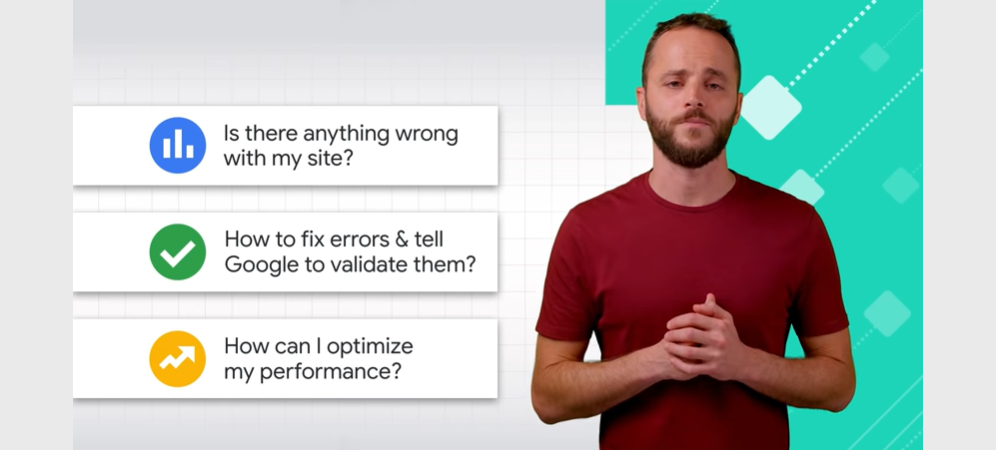
No standard report can prove complete visibility inside every AI experience. Use dependable data first: indexed pages, query groups, impressions, clicks, landing-page engagement and qualified conversions. Record manual observations separately because generative results can vary. Kayaar’s Search Console AI performance guide explains the limits of interpreting aggregated search data.
Set a review cadence of four to eight weeks for meaningful changes. Annotate technical releases, page consolidations and major content updates. Compare like periods and query groups instead of selecting isolated screenshots. The objective is a better path from discovery to a useful page and business outcome, not an impressive but unverified “AI visibility” percentage.
Prioritisation matters because not every finding deserves immediate work. Fix blocked access and misleading information first, then strengthen high-value pages that already have demand or commercial importance. Schedule exploratory content after the foundations are sound. Each recommendation should name an owner, success measure, review date and evidence level so progress remains accountable.
What a credible AI SEO expert should deliver
A documented baseline, scope and list of assumptions.
Priorities ranked by impact, effort, confidence and dependency.
Page-level recommendations tied to a clear user intent.
Technical findings with reproducible evidence and ownership.
A measurement plan that distinguishes observations from verified results.
Ask how recommendations will be tested, who reviews generated material and how duplicate intent will be prevented. Reject guaranteed citations, invented traffic forecasts and mass publishing without editorial control. If you need a scoped audit based on your website, market and commercial goals, contact Kayaar.
FAQs
What does an AI SEO expert in Dubai do?
An AI SEO expert combines established SEO work with careful use of AI for research, analysis and production. The role should improve technical access, content usefulness, evidence, measurement and local relevance without promising control over search results.
Can an SEO expert guarantee citations in AI search?
No. Search platforms control their generated responses and source selection, which can vary by query and context. A specialist can improve accessibility, clarity and originality, but a guaranteed citation claim is not credible.
Does generative search require special schema?
Google does not describe a special generative-search schema requirement. Use supported structured data that accurately matches visible page content, validate it and maintain strong technical and content foundations.
How long should a visibility audit take?
The timing depends on website size, access and complexity. A useful audit should allow enough time to crawl the site, review priority templates and content, check data, interview stakeholders and validate the highest-impact findings.
How should AI search visibility be measured?
Start with stable measures such as search impressions, clicks, landing-page engagement and qualified conversions. Keep variable manual AI-result observations separate, annotate changes and avoid presenting third-party estimates as complete platform data.