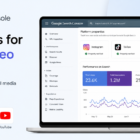
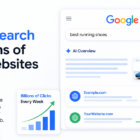
Google Demand Gen updates announced on 27 August 2026 add three notable directions for advertisers: conversations from YouTube ads to messaging apps, richer travel discovery experiences, and generally available multimodal video creation in Asset Studio.
These changes can shorten the path from discovery to action, but they should not trigger an uncontrolled rollout. Some capabilities are tests, eligibility can vary, and each new format needs accurate conversion tracking, approved creative and a clear operating process.
What Google announced
Google’s official August Demand Gen Drop describes three updates. Google is testing ways for YouTube viewers to begin conversations with brands in messaging apps. For travel, it is surfacing local activities, events and real-time offers while personalising hotel ads. Multimodal Video Creation in Asset Studio is now generally available for developing horizontal and vertical assets in one workflow.
The wording matters. Messaging is described as a test, so advertisers should confirm availability in their own account instead of promising a launch date. Travel capabilities are relevant to eligible travel advertisers, not every service business. Asset Studio availability also does not remove the need for human review.
Demand Gen updates at a glance
Update
Potential use
Main risk
First check
Messaging conversations
Move high-intent viewers into a direct conversation
Slow replies or unqualified chat volume
Account availability and response capacity
Travel discovery
Show relevant properties, activities and offers
Inaccurate inventory, pricing or dates
Feed freshness and booking-page consistency
Multimodal video creation
Produce multiple orientations from a shared concept
Off-brand or misleading generated assets
Rights, claims, layout and human approval
1. Prepare messaging before adding traffic
A click-to-message experience changes the conversion path. The landing page may no longer carry the full burden of qualification, so the conversation must quickly establish service, location, price range, availability and the next step.
Define who answers, the expected response time and when a human takes over. Create approved answers for common questions, but do not automate sensitive advice or commitments without appropriate review. Use a clear opening question that helps route the enquiry rather than forcing a long form into chat.
Track meaningful outcomes, not just conversations started. Useful measures include qualified conversations, appointments, confirmed sales and time to first response. Record consent and protect personal information according to applicable requirements.
2. Validate travel data and offers
Travel ads can fail when the attractive message and the booking experience disagree. Check property names, locations, room types, availability, cancellation terms, taxes and offer expiry dates. A “real-time” offer needs a reliable data source and a destination that confirms the same terms.
Separate residents, inbound visitors and travellers already in market when their needs differ. A Dubai hotel promotion, local activity or event package may require different creative, timing and landing content. Avoid implying that personalisation guarantees visibility or performance.
3. Build a controlled video workflow
Multimodal creation can speed up production across horizontal and vertical formats. Begin with a brief that defines the audience, objective, proof, visual rules and exclusions. Kayaar’s AI video creative brief workflow provides a practical structure.
Google’s Demand Gen creative specifications explain where assets can serve and list the relevant format requirements. Build for the placement instead of relying on a simple crop. Vertical video needs safe framing, legible captions and a strong opening designed for a phone screen.
Before activation, inspect every generated frame for distorted products, incorrect text, inconsistent branding and unsupported claims. Review Google’s AI-content labelling controls using Kayaar’s Google Ads AI labels guide.
Use a test design that protects performance
Choose one change at a time. For messaging, compare the new conversation path with the existing destination while holding audience and creative as stable as possible. For travel, test one offer family or market. For generated video, compare a defined concept against the current creative baseline.
Set a decision metric, minimum observation period and stopping rule before launch. Do not judge a discovery campaign only by last-click conversions. Assisted outcomes, lead quality and incremental results may reveal value that a simple platform total misses. Kayaar’s Google Ads measurement stack guide explains how attribution, incrementality and marketing mix modelling serve different questions.
Review campaign and asset settings
The new features sit within a campaign that still needs sound foundations. Verify conversion goals, location and language settings, audience strategy, exclusions, budget, bidding, URL parameters and brand suitability. Check whether automated creative options are enabled and whether each one is appropriate for the business.
Use asset-level reporting to identify weak formats, but avoid replacing creative too quickly. Add approved new assets before removing established ones where possible, then allow enough data for a fair comparison.
Document every material setting change so performance shifts can be traced to a clear, reviewable cause.
A practical launch checklist
Confirm which updates are available and eligible in the Google Ads account.
Document the campaign objective and one primary success metric.
Audit messaging response capacity or travel-data accuracy.
Prepare horizontal, square and vertical creative for their real placements.
Review generated assets, rights, claims and required disclosures.
Verify conversion tracking and lead-quality feedback.
Launch a controlled test with a written decision rule.
Record findings before scaling budgets or expanding audiences.
Businesses migrating older campaign structures should separately review Kayaar’s guide on moving Google Display campaigns to Demand Gen. Migration and feature adoption solve different problems and should not be combined into one uncontrolled change.
What advertisers should do next
Start with eligibility and operational readiness. Messaging is useful only when conversations receive fast, accurate handling. Travel personalisation depends on reliable inventory and offers. AI video creation saves time only when the outputs meet brand, policy and placement standards.
These Google Demand Gen updates expand the available toolkit, but the winning process remains disciplined: validate, test, measure and scale. For help auditing a Demand Gen account or designing a controlled rollout, contact Kayaar.
FAQs
What are the latest Google Demand Gen updates?
Google announced messaging-app conversation tests from YouTube ads, richer travel discovery experiences and generally available multimodal video creation in Asset Studio.
Are Demand Gen messaging ads available to every advertiser?
No. Google described the messaging capability as a test, so advertisers should check eligibility and availability inside their own account.
What should travel advertisers check first?
Check feed freshness, property and activity details, availability, prices, offer dates, cancellation terms and consistency with the booking page.
What is multimodal video creation in Asset Studio?
It is a Google Ads creative workflow for storyboarding and producing video assets in horizontal and vertical formats using multiple inputs.
How should Demand Gen updates be tested?
Test one meaningful change against a stable baseline, verify tracking, define the decision metric in advance and review lead quality before scaling.